

|
Getting your Trinity Audio player ready...
|
***
For too long, South Carolina’s Comptroller General’s office has been treated like a bookkeeper’s desk in the back of a dusty office. Keep the ledgers, balance the numbers, and hope nothing goes wrong. But when billions of taxpayer dollars are on the line, “hoping nothing goes wrong” is not a strategy.
The truth is, South Carolina can no longer afford a passive Comptroller General. We need a watchdog. Someone who sees the office not as a quiet clerkship but as the state’s Chief Financial Officer – the first line of defense against waste, duplication, and corruption.

***
THE BOOKKEEPER MENTALITY HAS FAILED US
When government leaders see the Comptroller General’s role as clerical, the public pays the price. Billions have been misallocated, misplaced, or hidden in the bureaucracy, with taxpayers footing the bill.
We’ve seen this firsthand. The last Comptroller General presided over the misallocation of billions of dollars – an error that was hidden for years. Instead of addressing the mistake early, his office allowed it to fester, year after year, until it exploded into one of the worst financial scandals in state history.
That wasn’t just an oversight problem – it was a failure of leadership. The office treated itself like a back-office ledger clerk instead of a taxpayer watchdog. The result was catastrophic: billions mishandled, trust shattered, and the credibility of our state government badly damaged.
If a company’s CFO treated fraud or misallocation as “clerical errors,” they’d be fired on the spot. Why should taxpayers accept anything less?
***
THE BUDGET EXPLOSION
This is not a small problem – it’s a growing one. Over the past decade, South Carolina’s general fund expenditures have grown at an average rate of 6.9% per year, almost 3% faster than the combined rate of population growth and inflation.
That kind of growth is unsustainable, especially without transparency. It means we aren’t just wasting money – we’re wasting more money every year. A passive Comptroller lets this pattern continue unchecked. A watchdog Comptroller would demand explanations, highlight inefficiencies, and make the public aware of how quickly the government is outpacing the people it serves.
***
WHAT A WATCHDOG COMPTROLLER LOOKS LIKE
***
A Comptroller General should be a watchdog with three priorities:
- Transparency – Shine light on every dollar spent with real-time reporting available to the public. If you can track a package from Amazon in real-time, you ought to be able to track your tax dollars.
- Accountability – Review agency spending patterns to flag abuse, duplication, and inefficiency before they become billion-dollar mistakes.
- Advocacy for Taxpayers – Stand up for the taxpayer, not the bureaucracy. That means asking the tough questions state agencies would prefer to avoid.
This isn’t about party lines. It’s about protecting the public purse. Every wasted dollar is a dollar not going to schools, roads, or tax relief.
***
THE STAKES – AND THE OPPORTUNITY
South Carolina is growing. Our state budget is now over $43 billion, larger than at any point in history. That growth brings risk if it’s mismanaged – but it also brings enormous opportunity if it’s handled wisely.
If we bring transparency and discipline to state finances, South Carolina can harness this growth to build lasting prosperity. We can have lower taxes, invest in infrastructure that supports commerce, and create a climate where families and businesses thrive.
That’s the real choice before us: a government that loses track of billions, or one that stewards every dollar for the good of its citizens.
The time has come for South Carolina’s Comptroller General to step out of the back office and into the fight. If we get this right, the next decade of growth won’t expand government – it will expand opportunity. Working together with the legislature, we can make South Carolina the most financially disciplined, business-friendly state in the nation – a place where taxpayer trust is restored, growth is managed wisely, and prosperity is shared by all.
***
ABOUT THE AUTHOR…
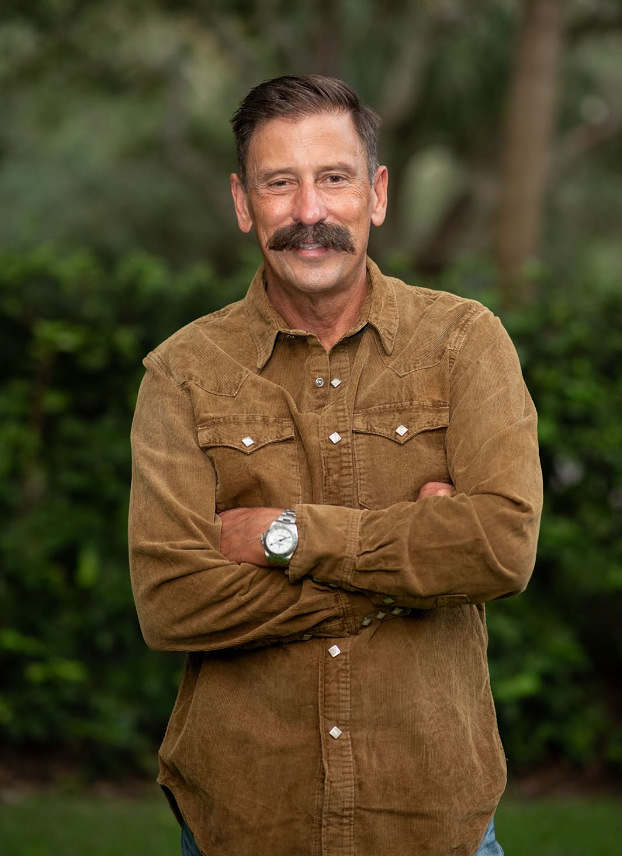
Mike Burkhold is a Charleston businessman and the founder of Equiscript, a healthcare technology company serving hospitals and health centers nationwide. He is running for South Carolina Comptroller General to bring transparency and accountability to the state’s finances. Married to his wife Melanie for 30 years, he has two children, lives on Sullivan’s Island and attends St. Andrews Church in Mt. Pleasant. He also has several mustache awards.
***
WANNA SOUND OFF?
Got something you’d like to say in response to one of our articles? Or an issue you’d like to address proactively? We have an open microphone policy! Submit your letter to the editor (or guest column) via email HERE. Got a tip for a story? CLICK HERE. Got a technical question or a glitch to report? CLICK HERE.

7 comments
Great article! We should all vote for this guy! ?
This guy sounds exactly what we need.
Best wishes for a successful race.
Why have the functions of this office never come to the voters’ attention? Many of us have asked the question, “where are our tax dollars going?” This is an excellent opportunity for the citizens of SC to become aware of how our money is being spent. Let’s give Mike our vote for change.
According to Grok, the yearly average of total tax revenue increase for the state over the last decade is 5.4%. So if spending is growing by an average of 6.9% per year, the net spending increase over the increase in revenue is 1.5%. And, despite that residual increase, our surplus reserves are huge, so that 1,5% is not unfunded or causes us to have to resort to borrowing, or increasing taxes. While we would all like greater transparency and lower taxes and spending, in terms of overall fiscal responsibility our state actually does quite well – hence SC being one of only 7 or 8 states with at least two triple A credit ratings in the nation.
I fully and energetically support Mike Burkhold. He will be focused on protecting the interests of South Carolina taxpayers. I believe the election for SC Comptroller General this year is critical.
If elected are he and his family going to relocate to the Columbia area? We don’t need another elected official who is in the office part time. Will he disclose all his personal investments and the investments and contracts his company holds?
According to online information “Equiscript helps high-risk, high-need patients get the medications they need while also generating revenue to support community health centers and hospitals. We do this by managing 340B home delivery pharmacy programs on behalf of hospitals and health centers across the U.S.”
And “Section 340B of the Public Health Service Act requires pharmaceutical manufacturers participating in Medicaid to sell outpatient drugs at discounted prices to health care organizations that care for many uninsured and low-income patients. These organizations include federal grantee organizations and several types of hospitals, including critical access hospitals (CAHs), sole community hospitals (SCHs), rural referral centers (RRCs), and public and nonprofit disproportionate share hospitals (DSH) that serve low-income and indigent populations. The program allows 340B hospitals to stretch limited federal resources to reduce the price of outpatient pharmaceuticals for patients and expand health services to the patients and communities they serve. Hospitals use 340B savings to provide, for example, free care for uninsured patients, offer free vaccines, provide services in mental health clinics, and implement medication management and community health programs.”