
|
Getting your Trinity Audio player ready...
|
For fifteen years, Michael Wilson Pearson has woken up inside a South Carolina prison cell — serving a sixty-year sentence for a crime that multiple witnesses (and even prosecutors) have since said he didn’t commit.
Now, a case once considered closed is unraveling — exposing not only new evidence of Pearson’s innocence, but allegations of prosecutorial misconduct that could reverberate well beyond Clarendon County.
Reporters with The (Charleston, S.C.) Post and Courier first reported on the latest developments in Pearson’s bid for freedom. FITSNews has since obtained court filings which paint a disturbing picture of how the state handled — and mishandled — his case.
***
A FINGERPRINT AND A CONVICTION
The road to Pearson’s 60-year sentence began with a violent early-morning robbery in 2010 — one that would hinge on a single fingerprint.
On the morning of May 15, 2010, longtime Clarendon County businessman Edward “Slick” Gibbons was preparing to leave for work when he was ambushed in his garage. Around 6:20 a.m. EDT, three masked black men attacked him, placing tape across his face, beating him and stealing his 1987 Chevrolet El Camino.
Gibbons testified that two of the assailants climbed inside the El Camino while the third rode in the back of the flatbed. Roughly twenty minutes later, a local farmer discovered the car abandoned on a rural road with the keys still in the ignition. Deputies quickly processed the vehicle for fingerprints.
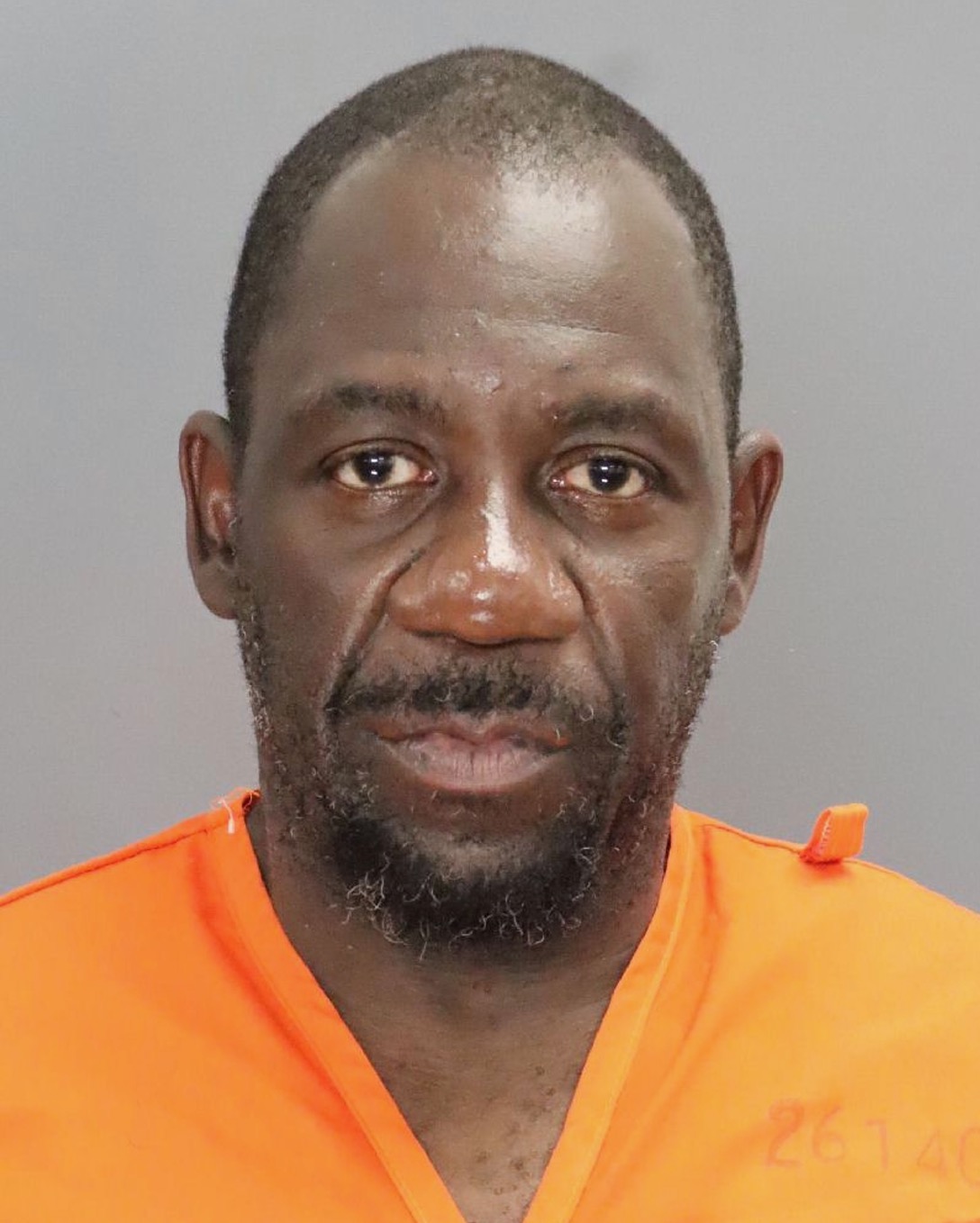
Investigators found no usable fingerprints inside the car, but lifted several from the exterior. A Sumter Police Department examiner testified that one matched Michael Pearson. Separately, DNA testing by the S.C. State Law Enforcement Division (SLED) on the duct tape used to bind Gibbons linked Victor Weldon, not Pearson, to the assault.
When questioned, Pearson denied knowing Gibbons or ever being at his home or store. But prosecutors presented testimony from Richard Gamble, who claimed Pearson once assisted him with landscaping at both Gibbons’ residence and his son’s house next door. Gamble was uncertain when this occurred — and could not say whether Pearson had ever been near the El Camino.
***
***
Investigators also noted Pearson and Weldon denied knowing one another. Records, however, showed both men had briefly been assigned to the same vocational rehabilitation wood shop program nearly a year-and-a-half before the robbery.
At Pearson’s trial in May 2012, S.C. third circuit solicitor Ernest “Chip” Finney leaned heavily on Pearson’s fingerprint from the El Camino as proof he participated in the robbery. Defense attorneys countered that there was no direct evidence placing him at the scene — no eyewitnesses, no forensic evidence inside the vehicle and no clear link between Pearson and Weldon.
Pearson’s lawyer moved for a directed verdict, arguing the fingerprint alone could not prove guilt. S.C. circuit court judge R. Ferrell Cothran, Jr. denied the motion, finding the print sufficient for the jury to decide.
On May 18, 2012, the jury convicted Pearson of burglary, armed robbery, grand larceny, kidnapping and possession of a weapon during a violent crime. He was sentenced to 60 years in prison — thirty years for burglary, thirty consecutive years for armed robbery, and concurrent terms on the remaining charges.
***
YEARS OF DENIALS AND DEAD ENDS
Pearson’s fight didn’t end with the guilty verdict — and for a moment, it seemed as though he had won.
In 2012, Pearson’s lawyers pled their case to the S.C. court of appeals, arguing in a brief (.pdf) what many observers saw as the core problem with the case: that a single fingerprint on the outside of the stolen vehicle was not enough to convict a man of armed robbery, burglary, kidnapping and grand larceny.
They cited prior rulings — including State v. Mitchell and State v. Bostick — in which courts held that fingerprints alone, without corroborating evidence, could not sustain a conviction.
In 2014, the appellate court reversed his convictions, ruling (.pdf) that prosecutors failed to present substantial circumstantial evidence and that judge Cothran erred in denying a directed verdict. The appellate court stressed the case hinged on a single fingerprint on the outside rear of the stolen El Camino — an undated print that could have been left during legitimate, prior contact — while the remaining proof (a brief vocational-rehab overlap with co-defendant Victor Weldon and testimony that Pearson once helped landscape at Gibbons’ home) did not place him at the scene or establish involvement.
According to the court, the evidence rose only to “suspicion” – which was not enough to sustain a conviction.
***
***
Pearson’s reprieve was short-lived, however. Finney’s office petitioned the state supreme court (.pdf) for a writ of certiorari and the justices took the case. Not only that, they issued a ruling (.pdf) siding with prosecutors — reinstating Pearson’s convictions and his 60-year sentence. According to the justices, the fingerprint’s location on the vehicle so soon after the crime – coupled with the circumstantial evidence linking Pearson to Weldon and Gibbons’ property – gave jurors enough to convict.
From there, Pearson turned to the post-conviction relief (PCR) process, arguing his trial counsel had failed him — but in 2018, a Clarendon County judge denied (.pdf). his petition. The following year, the supreme court refused to hear his appeal, meaning Pearson was out of legal options.
For the next several years, he remained behind bars with no clear path forward.
Then, in 2022, everything changed.
***
A SHOCKING RECANTATION
The turning point came not from Pearson, but from the very man whose DNA had been tied to the duct tape in Slick Gibbons’ garage: Victor Weldon.
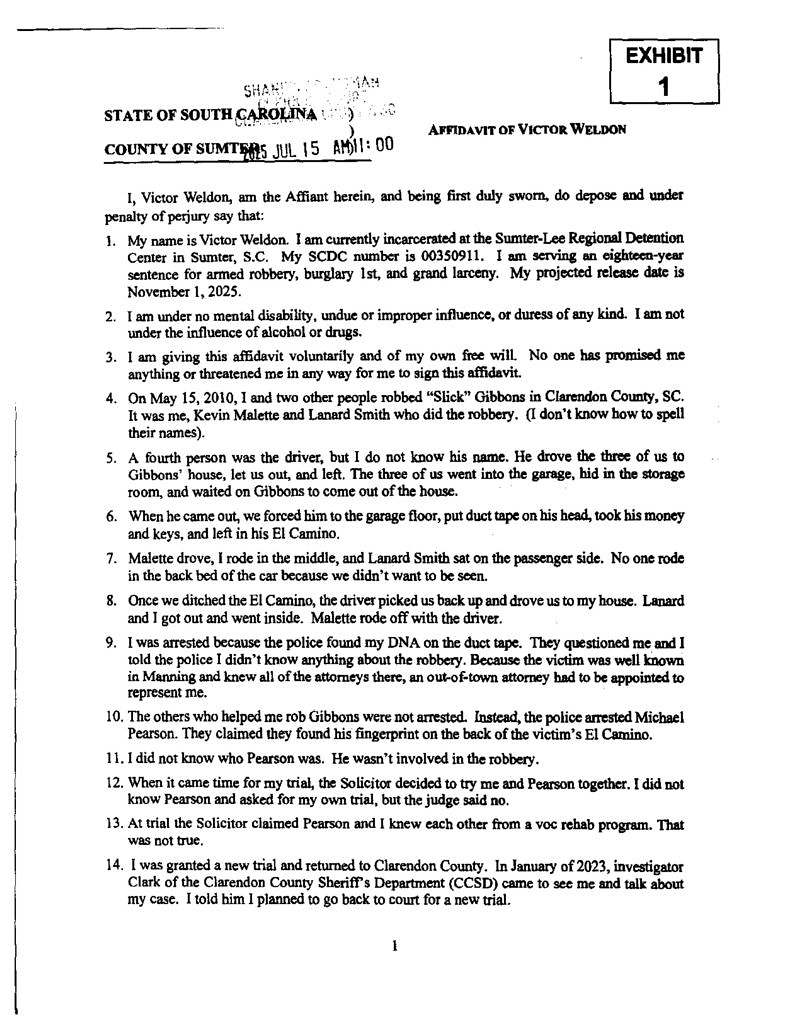
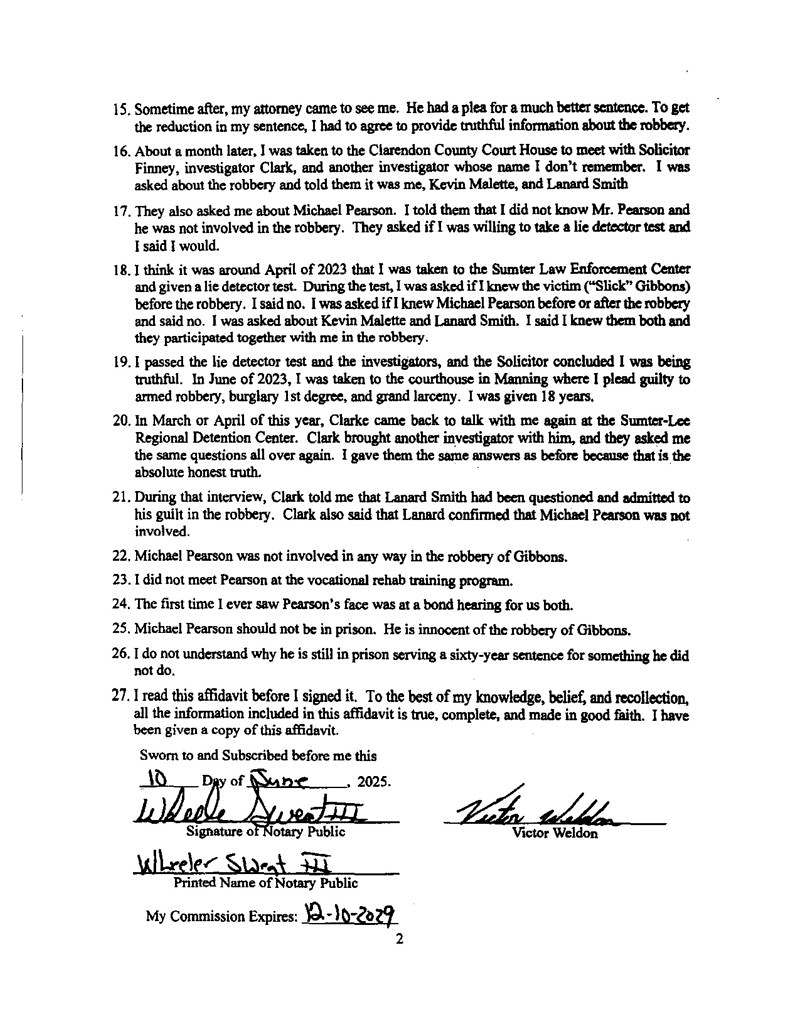
In February 2022, Weldon stood before a Clarendon County judge and pleaded guilty to charges connected to the 2010 home invasion. But in doing so, he offered a stunning confession — one that fundamentally upended the case against Pearson.
Weldon admitted that Michael Pearson was not involved in the robbery and assault. He told the court that Pearson had nothing to do with the crime, and that prosecutors had pursued the wrong man. His admission struck at the heart of the state’s original theory, which had relied on tying Pearson and Weldon together despite scant evidence of any real connection.
***
***
The recantation did more than cast doubt on Pearson’s conviction — it exposed cracks in the prosecution’s handling of the case. Questions resurfaced about why investigators and prosecutors ignored the stronger forensic link to Weldon in favor of pursuing Pearson on a single fingerprint.
Why, critics asked, did they lean so heavily on circumstantial connections while overlooking the obvious suspect?
Within months, Pearson’s legal team seized on Weldon’s confession, filing new motions that accused Clarendon County prosecutors of misconduct while renewing their push to vacate the convictions.
These developments drew sharp reactions from legal observers across the state. Columbia-based attorney Lori Murray, who has covered the case on her TikTok channel, put it bluntly: “Every now and then a defendant has the great misfortune of being represented by incompetent counsel, and every now and then a defendant might get screwed over by the cops, and every now and then a defendant might get screwed over by a prosecutor. But it is very rare for someone to have all three of those happening in one case — meet Mr. Michael Pearson, who has had the great misfortune of having the entire trifecta, and he still sits in prison today.”
***
@lawyerlori Part 2 – stay til the end. You won’t believe it. #viral #lawyerlori #truecrime #southcarolina #innocent ? original sound – LawyerLori
***
Murray’s words echoed a growing consensus: that Pearson’s 2012 trial had been built on shaky ground — and that Weldon’s 2022 confession might finally force the courts to confront it.
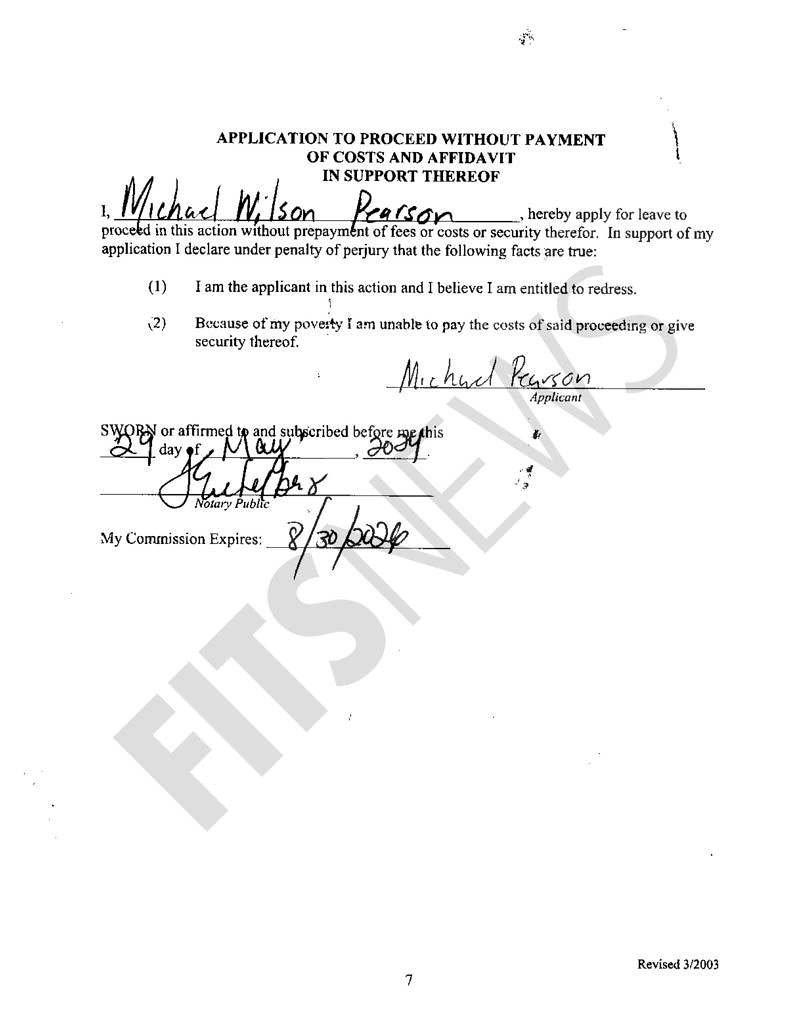
Pearson himself took the first step toward turning Weldon’s words into a formal challenge. On June 7, 2024, from his South Carolina Department of Corrections (SCDC) cell, he scrawled out a handwritten PCR application (.pdf) — launching his bid to overturn the conviction on his own.
That filing caught the attention of James H. Babb, an attorney with the North Carolina Center on Actual Innocence, who soon stepped in to assist Pearson. Babb re-filed an amended petition (.pdf). on Pearson’s behalf, sharpening the legal arguments and giving the case professional firepower it had long lacked.
Victor Weldon’s confession cracked open the case. But what it also revealed — and what Pearson’s lawyers are now pressing in court — is how long prosecutors had known the truth, and how little they did about it.
***
WHEN JUSTICE GOES OFF THE RAILS
Pearson’s amended petition is now before the courts — and at its heart are not only questions of innocence, but also serious allegations of prosecutorial misconduct. His attorneys argued that Clarendon County prosecutors failed to disclose exculpatory evidence, overstated the significance of the fingerprint and downplayed the obvious forensic link to Weldon. In short, they contend Pearson’s conviction was built on a half-truth: evidence against him was exaggerated while evidence against others was minimized or ignored.
The filings also highlight how Weldon’s 2022 guilty plea and sworn admission undercut the entire foundation of the State’s case. Weldon’s DNA was on the tape. Weldon admitted he was involved. Weldon cleared Pearson – yet Pearson remains incarcerated while the courts deliberate whether justice was denied.
The timing only deepens the injustice. Pearson filed his own handwritten application for post-conviction relief from prison on June 7, 2024 – unaware solicitor Finney’s office had been negotiating with Weldon a full year earlier. By July 2023, Weldon had already pleaded guilty, and prosecutors had been presented with evidence confirming Pearson’s innocence. In November 2023, after Pearson passed a polygraph test, investigators told him they believed he was not involved. Yet even then, details of Weldon’s statements and supporting affidavits were not disclosed until well after Pearson’s filing.

***
That means Pearson been sitting in a prison cell for more than two years after prosecutors obtained and accepted information confirming his innocence. As Pearson’s petition puts it, “that he yet remains imprisoned, serving a sixty-year sentence more than two years after the state obtained and accepted as true information confirming Mr. Pearson’s actual innocence, constitutes a denial of fundamental fairness, shocking to the universal sense of justice.”
Pearson’s amended petition argued that these facts not only satisfy South Carolina’s statute for newly discovered evidence but demand immediate and unconditional redress. The filing asserted that prosecutors had proof in hand while Pearson languished in prison — a situation that, if upheld, would erode public trust in the very foundations of the justice system.
For Pearson, the stakes could not be higher. A favorable ruling could finally bring his release after fifteen years behind bars. A denial could consign him to decades more of imprisonment, despite a co-defendant’s confession that he wasn’t even at the scene of the crime.
***
***
MOUNTING SCRUTINY ON THE SOLICITOR’S OFFICE
The controversy surrounding Pearson’s continued incarceration intensified after June 2023, when Victor Weldon — the man whose DNA was found on the duct tape binding Gibbons — quietly struck a plea deal with solicitor Ernest “Chip” Finney’s office. In exchange for leniency, Weldon admitted his own role in the attack and named his true accomplices. Pearson was not among them.
Despite that admission, prosecutors did not move to vacate Pearson’s conviction. According to The Post and Courier, Finney’s office instead floated conditions for Pearson’s release — including waiving his right to sue and agreeing never to return to Clarendon County. Finney has denied such negotiations, but the mere suggestion that a man proclaiming innocence could be forced into silence and exile sparked outrage across South Carolina.
That outrage boiled over last week, when Clarendon County’s own legislative delegation — senator Jeff Zell and representative Fawn Pedalino — took the extraordinary step of writing to South Carolina attorney general Alan Wilson. In their letter (.pdf), the lawmakers described “serious ethical concerns” surrounding Pearson’s continued imprisonment. They noted prosecutors had been sitting on exculpatory information since 2023, yet had failed to act.
The delegation also raised alarms about reports that Pearson’s potential release was tied to improper conditions — including waiving his right to sue the state and agreeing never to return to Clarendon County. Beyond the specifics of Pearson’s case, the lawmakers warned that such conduct, if left unchecked, would erode public trust in South Carolina’s criminal justice system.
Or rather, further erode it.
In her video, attorney Murray drove the point home: “Here we have something that is intentional. It’s not negligence. It’s intentional. They have intentionally kept this man in prison knowing he is innocent.”
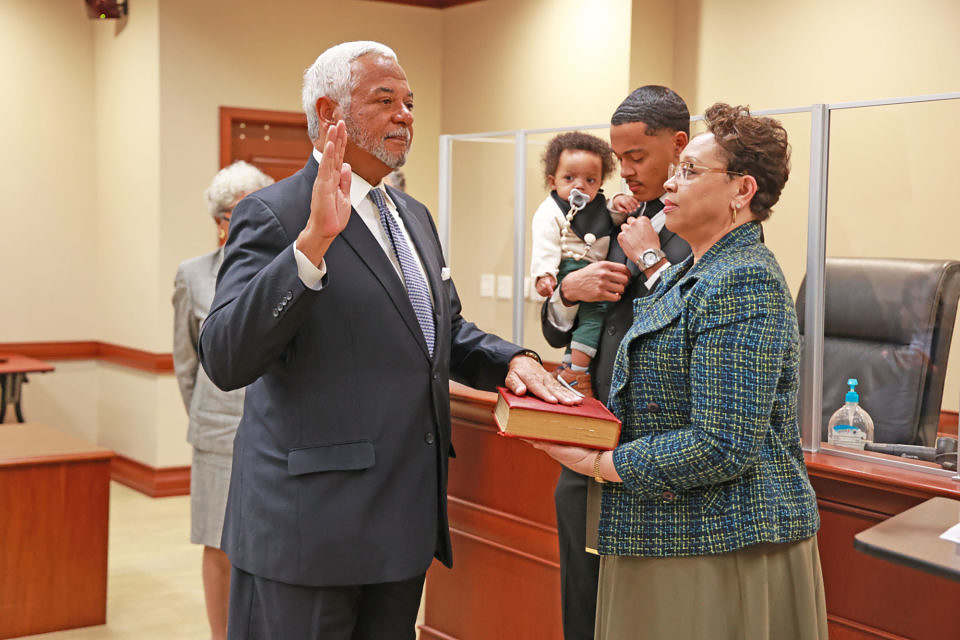
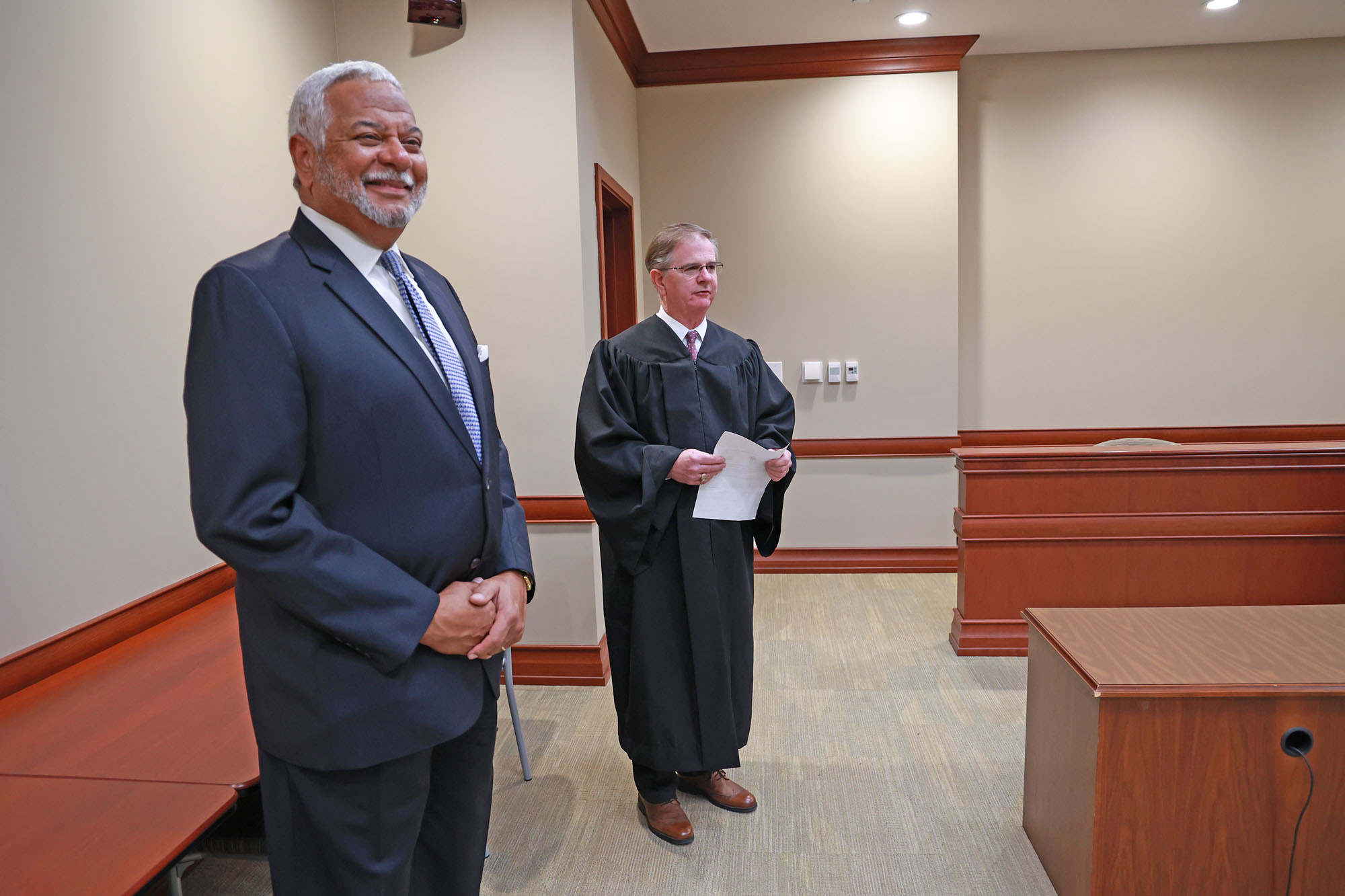
The mounting controversy soon drew the attention of the supreme court, which assigned Robert Hood — a veteran jurist from the fifth circuit — to preside over Pearson’s latest petition. At a hearing held on August 4, 2025, Hood signaled the seriousness of the matter – stressing that claims of prosecutorial misconduct could not be ignored.
***
***
Solicitor Finney, meanwhile, has forcefully pushed back against claims that his office acted improperly. In a July 24, 2025 letter (.pdf) to the attorney general’s office, Finney acknowledged investigators pursued leads that suggested Pearson “may not have been involved” in the crime — but denied that he ever conditioned Pearson’s potential release on waiving lawsuits or banishment from Clarendon County.
Instead, he said those ideas were merely raised “in the best interests of my victims and law enforcement.”
“I take these allegations seriously and personally,” Finney said. “I have done nothing to delay or impede the resolution of this matter. We have always followed the facts and acted upon them as the law requires.”
According to court transcripts, Hood noted that the solicitor’s office had been aware of evidence pointing to Pearson’s innocence since at least the fall of 2023, yet Pearson remained incarcerated nearly two years later.
“The level of exposure the state is facing is through the roof,” Hood warned, calling the case “priority number one.”
Taken together, Weldon’s plea deal, the Clarendon County delegation’s letter, Murray’s blunt legal analysis, and Hood’s courtroom warning form a damning chorus — each raising the same central question: why is a man still serving 60 years for a crime prosecutors now admit he didn’t commit?
The dispute will come to a head next month. On August 12, 2025, chief justice John Kittredge signed an order (.pdf) giving judge Hood jurisdiction to hear Pearson’s post-conviction relief petition in Clarendon County on September 29 and 30, 2025.
As for Finney, while there is no active investigation into his conduct at this time, sources familiar with the case tell us such scrutiny is not only warranted – but imminent.
What began as a local prosecution in Clarendon County has become a statewide controversy — one that has the attorney general, the courts, and the public all watching closely. With Pearson’s post-conviction relief petition now in judge Hood’s hands, the question is no longer whether doubts exist about his conviction, but whether South Carolina’s justice system will finally act on them.
The stakes in Pearson’s fight extend far beyond his own freedom. For months, FITSNews has reported on lingering questions surrounding the prosecution of Alex Murdaugh — from missing text messages to allegations of jury tampering during his double murder trial. Those revelations have already left many South Carolinians wondering whether they can trust the system to play fair, even in its most high-profile cases.
Pearson’s case adds another troubling layer. If a man can remain behind bars years after prosecutors obtained evidence of his innocence, it calls into question not just one conviction, but the credibility of the justice system itself. Because in South Carolina — as elsewhere — injustice for one is injustice for all.
***
ORDER FROM S.C. SUPREME COURT
(S.C. Supreme Court)
***
ABOUT THE AUTHOR …
As a private investigator turned journalist, Jenn Wood brings a unique skill set to FITSNews as its research director. Known for her meticulous sourcing and victim-centered approach, she helps shape the newsroom’s most complex investigative stories while producing the FITSFiles and Cheer Incorporated podcasts. Jenn lives in South Carolina with her family, where her work continues to spotlight truth, accountability, and justice.
***
WANNA SOUND OFF?
Got something you’d like to say in response to one of our articles? Or an issue you’d like to address proactively? We have an open microphone policy! Submit your letter to the editor (or guest column) via email HERE. Got a tip for a story? CLICK HERE. Got a technical question or a glitch to report? CLICK HERE.
