

by JENN WOOD
***
In a blow to climate litigation efforts across the country, a South Carolina circuit court judge has dismissed a high-profile lawsuit filed by the City of Charleston against more than two dozen major oil and gas companies, ruling the claims were fundamentally incompatible with both South Carolina and federal law.
Charleston’s lawsuit, originally filed in 2020, sought to hold multiple oil companies — including ExxonMobil, Shell, BP, Chevron, and others — liable for damages the city claimed were tied to climate change-related impacts such as flooding, rising sea levels and extreme weather. The suit accused the companies of deceiving the public about the dangers of fossil fuel emissions and asserted six causes of action ranging from public nuisance to violations of South Carolina’s Unfair Trade Practices Act.
In an order filed on Tuesday (August 6, 2025), circuit court judge Roger M. Young Sr. granted the defendants’ joint motions to dismiss, finding the lawsuit — no matter how it was framed — attempted to use state law to regulate a global issue governed by federal and international law.
“Although Plaintiff’s claims purport to be about deception, they are premised on, and seek redress for, the effects of greenhouse gas emissions,” Young wrote. “This Court thus joins the growing chorus of state and federal courts across the United States … concluding that the claims raised by climate-change plaintiffs are not judiciable by any state court.”
***
A DOOMED LEGAL THEORY
Charleston’s legal theory mirrored efforts by other progressive cities and states across the country to seek damages from energy companies for the alleged harms of climate change. The complaint ran more than 130 pages and painted a sweeping picture of a coordinated campaign by fossil fuel companies to suppress the science on climate change while continuing to profit from the sale and marketing of oil and gas products.
But Young — citing rulings from the U.S. second circuit and other jurisdictions — said the lawsuit amounted to an impermissible attempt to apply state tort law to a uniquely global and interstate issue.
The decision leaned heavily on the second circuit’s 2021 ruling in City of New York v. Chevron, which held that the “global complex of geophysical cause and effect involving all nations of the planet” could not be governed by any single state’s laws.
Young noted that, under Charleston’s legal theory, nearly any user or contributor to fossil fuel emissions — including consumers, municipalities, or even the City of Charleston itself — could potentially be held liable.
“The list of potential plaintiffs and defendants appears boundless,” Young wrote. “These lawsuits promise to create a chaotic web of conflicting legal obligations… neither federal nor South Carolina law permits such a result.”
At the May 2025 hearing, Ted Boutrous, the lead attorney for Chevron, argued the case on behalf of all defendants. Following Judge Young’s ruling, Boutrous emphasized that the decision was in line with precedent from courts across the country.
“This ruling adds to a ‘growing chorus’ of climate lawsuit dismissals by federal and state courts, including in Delaware, Maryland, New Jersey, New York, Pennsylvania, and California. States and municipalities cannot pursue climate change litigation under state laws, because such claims are precluded and preempted by federal law under clear U.S. Supreme Court precedent.”
Boutrous praised Judge Young for rejecting what he called the plaintiffs’ “artful” attempt to frame the lawsuit as a consumer deception case.
“Judge Young held that ‘Plaintiff cannot avoid that its claims turn on emissions,’” Boutrous noted. “These lawsuits promise to create a chaotic web of conflicting legal obligations for Defendants as each state imposes its own de facto regulations on the worldwide production, marketing, transport, and sale of fossil fuels. Neither federal nor South Carolina law permits such a result.”
***
FEDERAL LAW TRUMPS LOCAL LAW
The ruling also determined federal statutes — particularly the Clean Air Act — preempted the city’s claims and that the case raised political questions not suited for judicial resolution under South Carolina law.
Additionally, the court ruled:
- The lawsuit was time-barred by the state’s three-year statute of limitations.
- The city failed to properly establish personal jurisdiction over certain out-of-state defendants.
- The complaint asked the court to adopt “radically expanded theories of liability” with no basis in South Carolina law.
Judge Young characterized the city’s attempt to use state tort law as a vehicle for global environmental regulation as “an intrusion on the policy prerogatives of national and state policymakers.”

***
The decision marks the end of the road — at least for now — for Charleston’s case, which had survived an initial round of jurisdictional challenges and drawn national attention from environmental advocates and energy lobbyists alike.
The city has not yet indicated whether it plans to appeal the ruling. Meanwhile, similar lawsuits remain pending in other jurisdictions across the country.
For now, though, South Carolina’s courts have sent a clear message: the global fight over climate change belongs in the halls of congress and federal bodies like the Environmental Protection Agency (EPA) – not state court houses.
***
ABOUT THE AUTHOR …
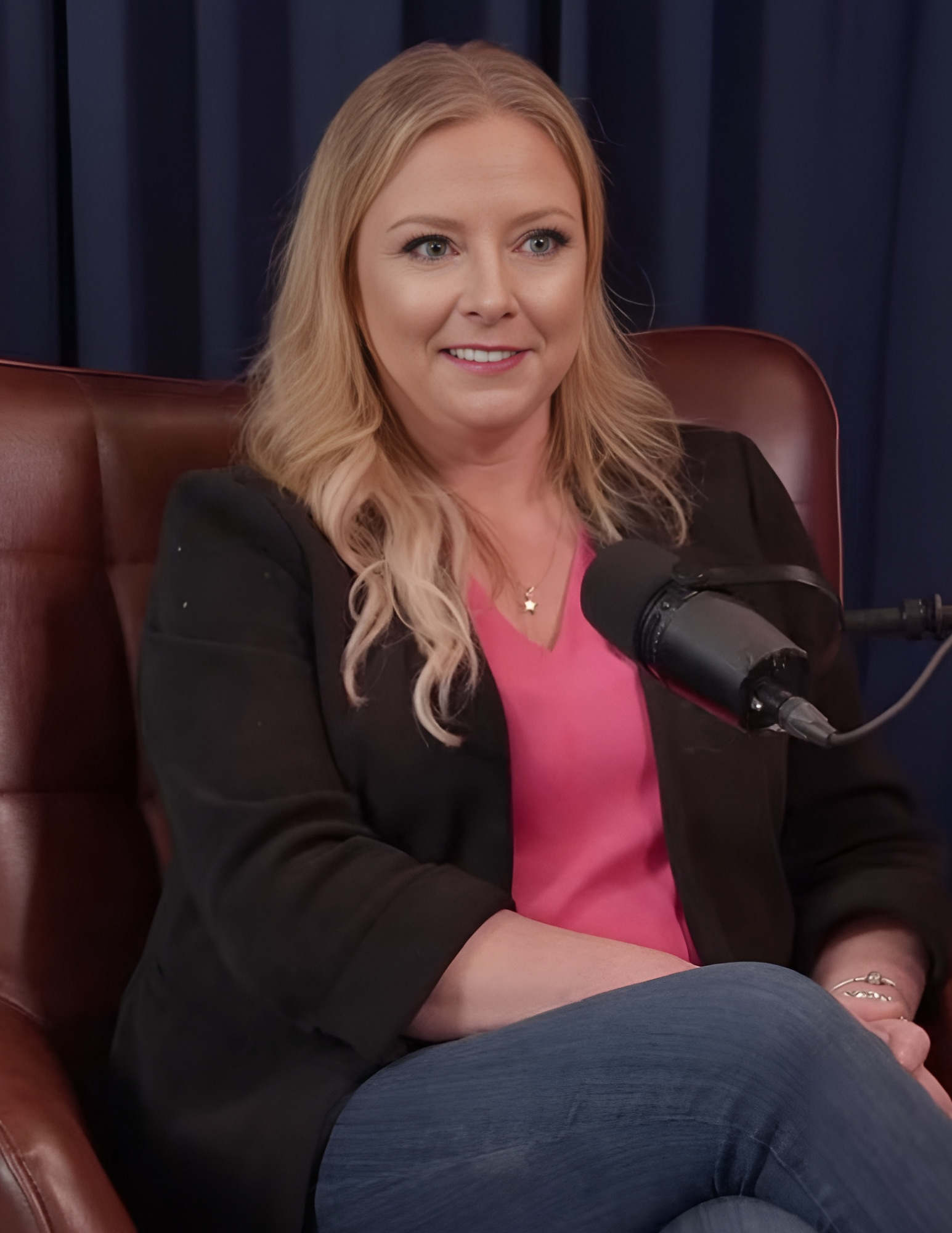
As a private investigator turned journalist, Jenn Wood brings a unique skill set to FITSNews as its research director. Known for her meticulous sourcing and victim-centered approach, she helps shape the newsroom’s most complex investigative stories while producing the FITSFiles and Cheer Incorporated podcasts. Jenn lives in South Carolina with her family, where her work continues to spotlight truth, accountability, and justice.
***
WANNA SOUND OFF?
Got something you’d like to say in response to one of our articles? Or an issue you’d like to address proactively? We have an open microphone policy! Submit your letter to the editor (or guest column) via email HERE. Got a tip for a story? CLICK HERE. Got a technical question or a glitch to report? CLICK HERE.

2 comments
Judge Roger Young has a flip flopping history that shocks most who see his highly questionable rulings
Have you ever considered publishing an ebook or guest authoring on other blogs? I have a blog based on the same information you discuss and would really like to have you share some stories/information. I know my subscribers would value your work. If you are even remotely interested, feel free to shoot me an e mail.