
|
Getting your Trinity Audio player ready...
|
by JENN WOOD
***
What happens in mediation stays in mediation… unless, of course, somebody’s pants come off.
In the latest development stemming from an explosive attorney misconduct scandal first reported by FITSNews several months ago, the South Carolina supreme court is weighing in on the matter.
Late last week, the court issued a declaratory judgment clarifying that mediators must cooperate with disciplinary investigations into attorney misconduct – even when that misconduct occurs in the context of a confidential mediation.
The ruling clears the way for the Office of Disciplinary Counsel (ODC) to continue a confidential investigation into an unnamed attorney believed to be Chase Coble – a senior associate attorney at Poulin Willey Anastopoulo. As previously reported, Coble was accused of appearing intoxicated – and partially undressed – during a virtual mediation session held on May 2, 2025.
Coble’s reported conduct during that hearing — which included allegedly drinking alcohol on camera, exposing himself, falling asleep during the proceeding and admitting to drinking earlier that morning — prompted a complaint from his client, Brian Burton.

***
While the S.C. supreme court judgment declined to name the parties involved, it confirmed mediators who witness alleged misconduct by attorneys must cooperate with disciplinary authorities – and that they are not exempt from such cooperation under the state’s mediation confidentiality rules.
“An attorney’s ethical misconduct cannot be ignored by other members of the legal profession or obscured by the mediation process,” the justices wrote. “Public confidence in the legal system requires that all members of the legal profession diligently and faithfully observe all relevant professional obligations.”
As FITSNews previously reported, Burton filed a motion (.pdf) with the Horry County court alleging that Coble appeared late to the virtual mediation, drinking a beer on camera, then stood up and inadvertently exposed himself to his client and the mediator. Later in the meeting, Coble allegedly fell asleep for several minutes on camera and later admitted to Burton, “you’re right, Brian, I have been drinking a little this morning.”
The firm later moved to withdraw from representing Burton, accusing him of trying to leverage the misconduct report for a payout — a characterization Burton flatly denied. In a filing of his own, Burton claimed his intent was never to blackmail the firm but to seek fair compensation for the alleged misconduct — especially given his history as a victim of sexual abuse.
Burton also said a firm executive, Lane Jefferies, acknowledged that Coble had a drinking problem and wanted to help him — before later characterizing Burton’s settlement discussion as unethical.
***

RELATED | SOUTH CAROLINA MEDIATION MELTDOWN
***
THE SUPREME COURT STEPS IN
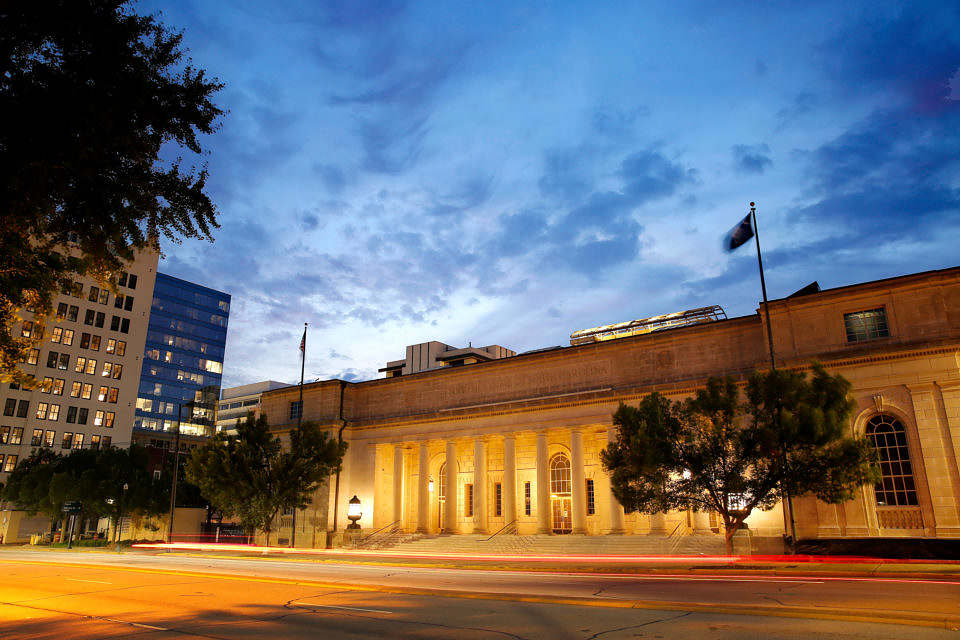
The high court’s ruling, filed on July 30, 2025, stems from a petition filed by an unnamed mediator, who asked the court to determine whether he was allowed to respond to ODC’s investigative inquiry given the confidentiality rules governing mediation.
The court ruled unanimously that mediation confidentiality does not extend to shielding professional misconduct, especially when the alleged misconduct does not pertain to the substance of the mediation itself but to the demeanor and behavior of a participating attorney.
“(Nothing) prohibits petitioner from responding to ODC’s investigative inquiry,” the court concluded. “Because the information ODC seeks relates to petitioner’s observations of lawyer’s demeanor during the mediation… the investigative inquiry does not relate to any communication regarding the substance of the mediation.”
The justices further emphasized that certified mediators in South Carolina — even those who are not attorneys — are subject to the same professional obligations under the Rules of Professional Conduct, including the duty to report ethical violations and cooperate with disciplinary authorities.
Coble has not yet been formally charged by the Commission on Lawyer Conduct, but with the court’s declaratory judgment now issued, the mediator is expected to provide a full account of the incident — potentially fueling the disciplinary case against him.
With the supreme court’s ruling now on record, the stage is set for further action in this case. Count on FITSNews to keep our audience abreast of any such developments as they unfold…
***
THE RULING…
***
ABOUT THE AUTHOR …
As a private investigator turned journalist, Jenn Wood brings a unique skill set to FITSNews as its research director. Known for her meticulous sourcing and victim-centered approach, she helps shape the newsroom’s most complex investigative stories while producing the FITSFiles and Cheer Incorporated podcasts. Jenn lives in South Carolina with her family, where her work continues to spotlight truth, accountability, and justice.
***
WANNA SOUND OFF?
Got something you’d like to say in response to one of our articles? Or an issue you’d like to address proactively? We have an open microphone policy! Submit your letter to the editor (or guest column) via email HERE. Got a tip for a story? CLICK HERE. Got a technical question or a glitch to report? CLICK HERE.
