
|
Getting your Trinity Audio player ready...
|
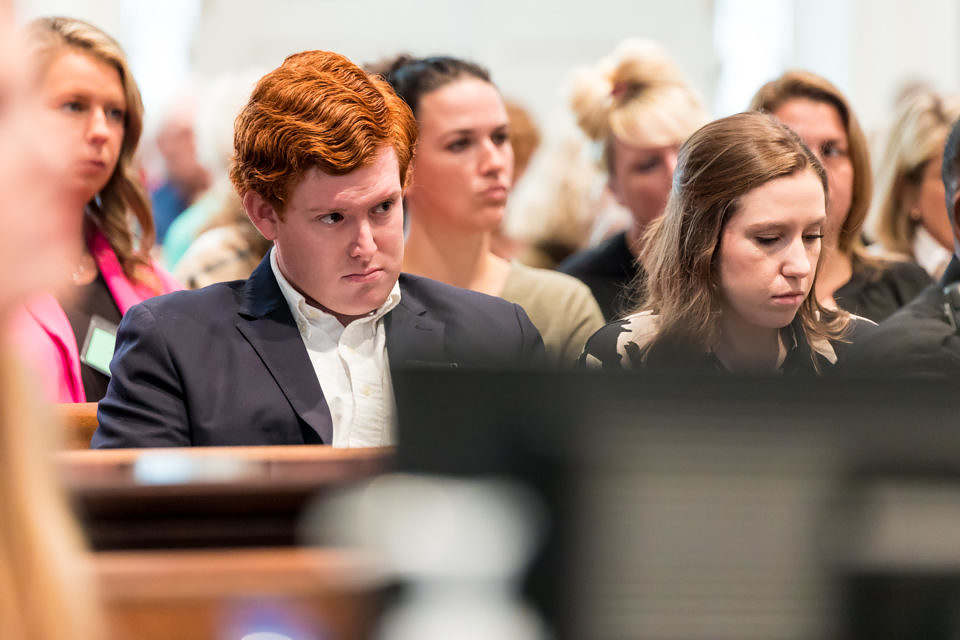
The media companies responsible for producing a pair of prominent documentary series on South Carolina’s Murdaugh family have formally responded to a defamation lawsuit brought against them by Richard Alexander “Buster” Murdaugh Jr. – the surviving son of convicted killer Alex Murdaugh.
Murdaugh was convicted in March of 2023 of murdering his wife and younger son. His conviction is currently being appealed, however, and a new trial is likely in the aftermath of documented jury tampering (and alleged jury rigging).
The two production companies sued by Murdaugh are doubling down on First Amendment protections – and pushing the fight into discovery just weeks after a landmark court ruling allowed the case to proceed.

***
On June 9, 2025, U.S. district court judge Richard Gergel declined to dismiss the lawsuit — a pivotal decision that advanced Murdaugh’s claims that he was libeled in connection with the 2015 death of 19-year-old Stephen Smith of Hampton, S.C.
In his order, Gergel noted Murdaugh had:
- Adequately alleged that the two documentary series had “juxtaposed certain statements” and omitted exculpatory context to suggest guilt,
- Met the bar for actual malice by claiming reckless disregard for the truth,
- Demonstrated that even truthful content can be defamatory when editorial framing invites false inference.
Gergel’s ruling shifted the case into the discovery phase, in which evidence and testimony will begin to be introduced ahead of a possible trial.
***
DOCUSERIES DEFENDANTS DIG IN
On June 23, 2025, attorneys for Warner Bros. Discovery (Discovery+), HBO Max, Blackfin Inc., and Campfire Studios submitted formal answers and affirmative defenses, effectively entering the next phase of litigation.
Key responses from their pleadings included:
- Blanket denials of any defamatory content or wrongful implication;
- Emphasis on truth or substantial truth of all material used, many of which — they argue — derive from public records, law enforcement interviews, or documented speculation;
- Assertions that the disputed portions are opinions or protected speech, clearly flagged and protected by the First Amendment;
- Denial that any statement was made with “actual malice” or “reckless disregard” — a high bar for public figure defamation claims;
- Group defenses, including fair-report privilege, and assertions that Murdaugh has failed to identify discrete false statements with sufficient legal specificity.
Campfire challenged its own identification in the lawsuit, stating it may not be the correct legal entity responsible for Low Country, citing dissolution of “Campfire Studios Inc.” and potential misfiling.
***
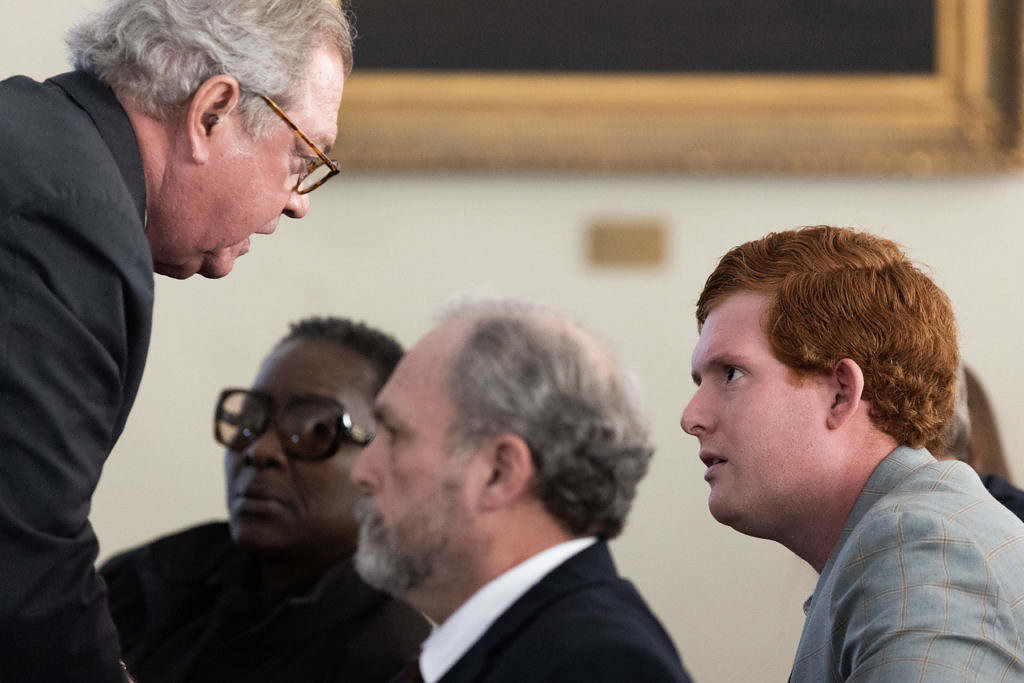
RELATED | BUSTER MURDAUGH’S DEFAMATION LAWSUIT PROCEEDS
***
LEGAL FIGHT MAY SET PRECEDENT FOR TRUE CRIME STORYTELLING
With their formal responses on file, the defendants are now shifting the case into its next and potentially most revealing stage: discovery. Over the coming months, the parties will exchange evidence, including internal communications, editorial notes, and production records that could shed light on how the documentaries were created and what editorial decisions were made. Depositions are also expected — likely including producers, editors and possibly law enforcement figures or other on-camera contributors.
This phase will test one of the most challenging aspects of Buster Murdaugh’s lawsuit: his claim of “defamation by implication.” That legal theory does not depend on a provably false statement but rather on whether a publication – through omission, tone or context – falsely suggested something untrue, and whether the speaker or publisher intended or endorsed that implication.
In determining that Murdaugh’s complaint met the legal threshold for such a claim, Gergel emphasized that while the underlying facts in the documentaries may be technically true, the editorial choices — particularly the juxtaposition of certain interviews and omissions of exculpatory details — could plausibly create a defamatory message.
The broader stakes are significant. For Buster Murdaugh, the lawsuit represents an attempt to reclaim his reputation following years of speculation and insinuation in the media spotlight. Though he has never been charged or officially named as a suspect in the 2015 death of Stephen Smith, some true crime content — including the documentaries at the center of this case — portrayed theories linking him to the unsolved killing.
***
***
Murdaugh maintains he had no involvement in Smith’s death and has described the impact of those portrayals as both personally and professionally damaging.
For the defendants — which include some of the largest players in the true crime and streaming media space — the lawsuit raises questions about the boundaries of creative license. The case could set legal precedent for how far filmmakers and producers are allowed to go when weaving together fact, speculation and narrative.
If Murdaugh’s case is successful, it may redefine risk for producers who rely on implication and inference to build tension and engagement.
Finally, for audiences, this case underscores the increasingly blurred line between journalism and entertainment in the true crime genre. While many docuseries market themselves as fact-based, the tools of storytelling — dramatic music, voiceover, and editing — can have powerful and potentially misleading effects. Whether those effects rise to the level of actionable defamation will now be decided through a fact-intensive legal process.
FITSNews will continue to cover every development in the case, from discovery disputes and depositions to potential motions for summary judgment. As the court weighs truth, inference, and editorial intent, the legal system is being asked to confront a core question: when does storytelling cross the line into defamation?
***
THE RESPONSES…
(U.S. District Court)
***
ABOUT THE AUTHOR …
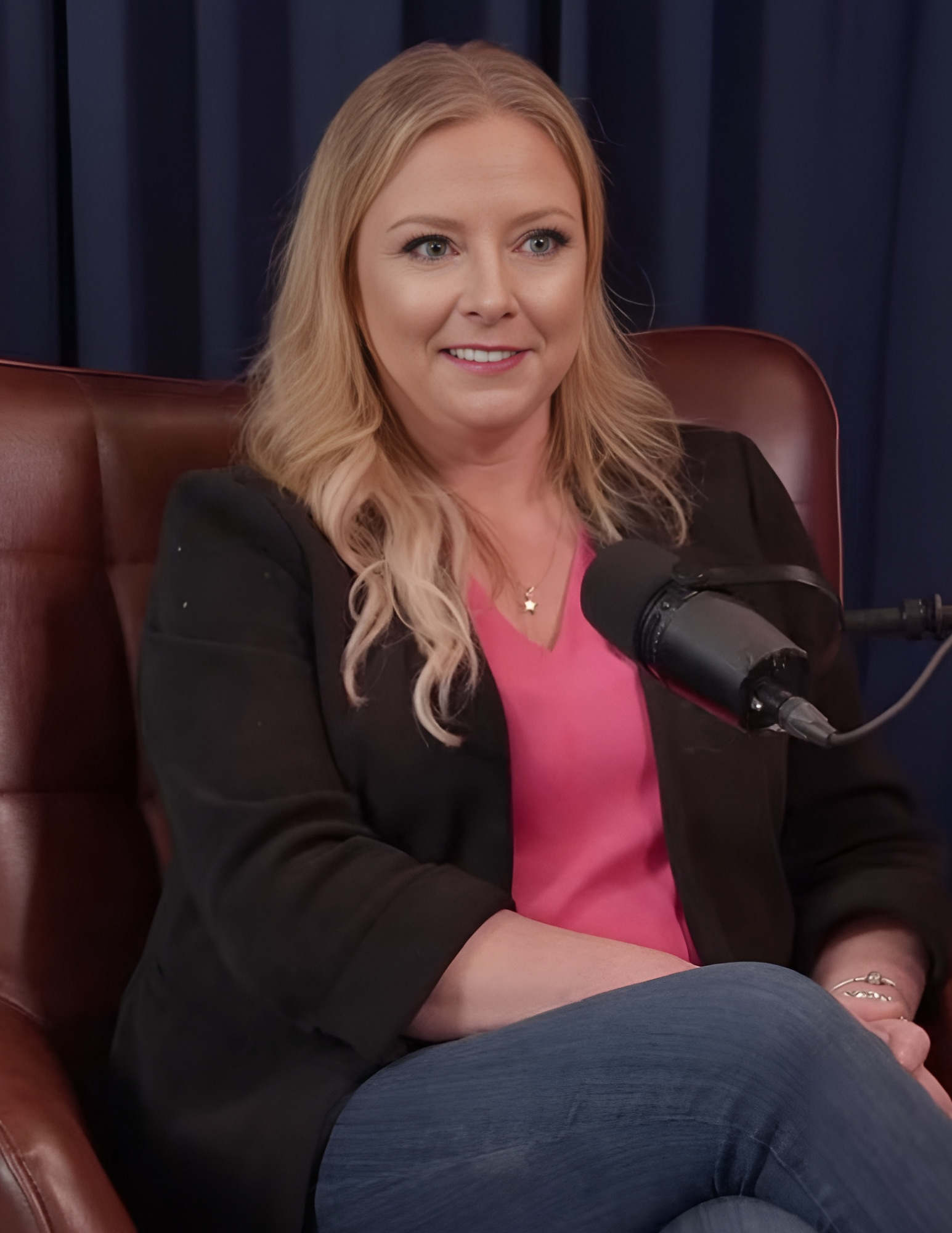
As a private investigator turned journalist, Jenn Wood brings a unique skill set to FITSNews as its research director. Known for her meticulous sourcing and victim-centered approach, she helps shape the newsroom’s most complex investigative stories while producing the FITSFiles and Cheer Incorporated podcasts. Jenn lives in South Carolina with her family, where her work continues to spotlight truth, accountability, and justice.
***
WANNA SOUND OFF?
Got something you’d like to say in response to one of our articles? Or an issue you’d like to address proactively? We have an open microphone policy! Submit your letter to the editor (or guest column) via email HERE. Got a tip for a story? CLICK HERE. Got a technical question or a glitch to report? CLICK HERE.
